
The benefit of the doubt is disappearing
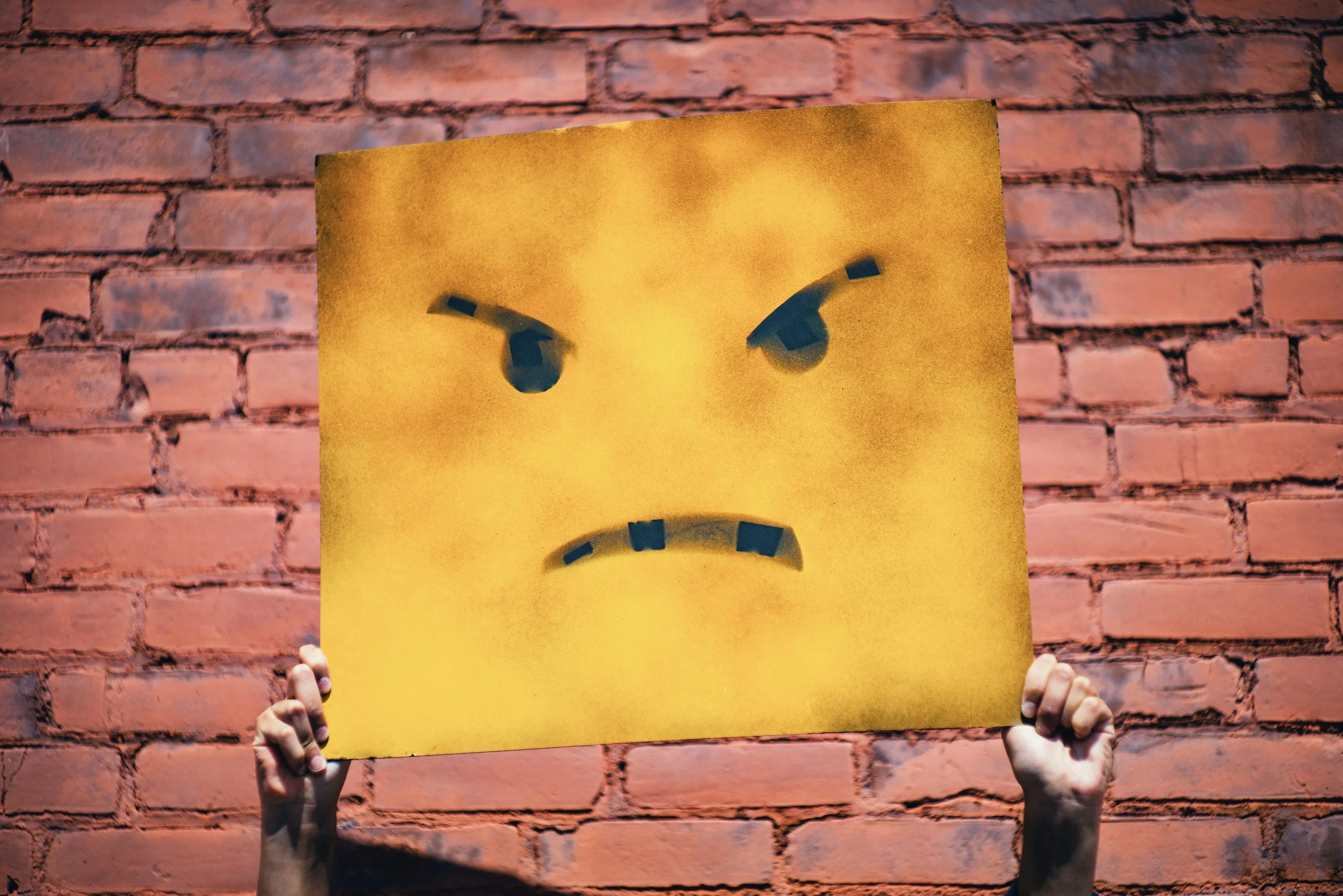
For more than 20 years, we’ve sat in rooms and talked to lots and lots of people about their lives, choices, frustrations and feelings.
And recently, we’ve noticed one of the biggest shifts yet.
People no longer need much encouragement to tell you what they really think.
Once, you had to work a little harder to get beneath the polite answer. People might hold back, soften an opinion or wait to see what everyone else thought.
Not anymore.
The opinions are stronger. The edges are sharper. And underneath them, we’re hearing a growing distrust of almost everything: institutions, experts, politicians, the media and brands.
It no longer takes much scratching to uncover it. It has bubbled to the surface.
“I don’t believe that.”
“They would say that.”
“It’s all propaganda.”
“I’ve done my own research.”
We heard versions of these repeatedly during recent research across the UK. Not from people on the fringes, but in ordinary conversations with ordinary people, across all ages.
And it isn’t simply that we’ve become more cynical. Something more human is happening.
We increasingly inhabit different versions of reality.
Our feeds show us more of what we already notice, fear or believe. A suspicion becomes a pattern. A feeling starts to look like proof. And when everyone in our particular world appears to agree, saying it aloud no longer feels controversial. It feels obvious.
At the same time, more people are working alone, spending time alone and making sense of the world through a screen. The phone offers endless information and plenty of people ready to tell us who is responsible for everything that feels wrong.
We distrust traditional sources, so we go looking for answers ourselves. But “doing our own research” can lead us towards voices with fewer checks, greater certainty and sometimes a financial incentive to keep us angry.
It creates a strange human contradiction: we have access to more information than ever, while finding it increasingly difficult to know whom to trust.
That matters for brands.
Because every message now arrives in a room already crowded with doubt.
A polished claim may be treated as spin. A statistic can be dismissed as manipulation. Saying “trust us” certainly won’t make anyone trust you.
Trust has to be earned in the little things: showing rather than declaring, acknowledging complexity, being clear about motives and communicating like a recognisable human being.
It also means listening properly.
Not merely tracking what people say online, but understanding what sits underneath it. Where did the belief come from? What feeling is sustaining it? What contradiction are they living with? And what might make them willing to reconsider?
Because despite everything, our recent research also reminded us of something important.
Most people are good.
They want to enjoy their lives, care for their families, feel connected and find reasons to be hopeful. The anger and suspicion may be louder, but they aren’t the whole human story.
Perhaps the brands that matter most in the coming years will be the ones that don’t add to the noise. The ones that create small pockets of honesty, warmth, usefulness and joy.
The ones that remember there is still a human being on the other side.