
What is Post-Demographic Consumerism?
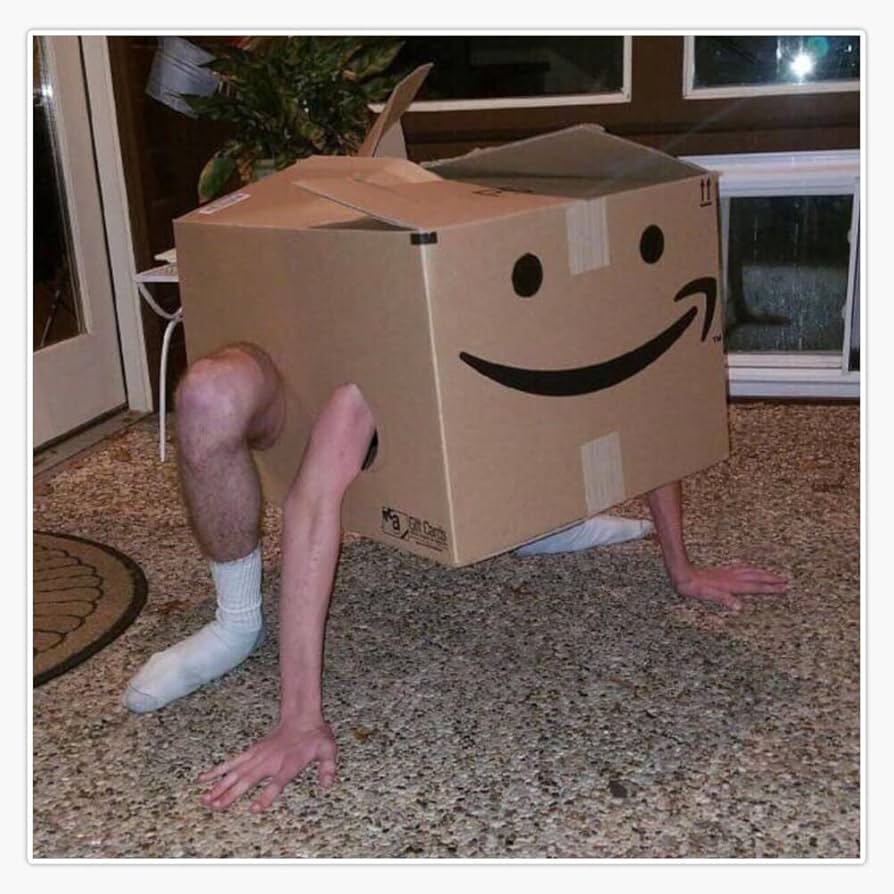
Don’t put people in boxes.
Origin of the term: It started gaining traction around 2013–2015, especially popularised by TrendWatching in their 2014 trend briefings. The idea was that consumers were no longer behaving according to fixed demographic boxes (age, gender, income, geography) in the way marketers expected.
Core idea: People are increasingly defining themselves by values, interests, and identities, not age brackets or household income. A 65-year-old can be a gamer and a pensioner at the same time. A teenager can visit a charity shop and designer boutique in the same day.
2. What it Looks Like in 2025
· It’s evolved into what some call identity fluidity, tribes, or culture over category.
· Related ideas include:
o Psychographic and behavioural targeting (go deeper than age/gender).
o Post-label consumerism or omni-generational culture.
· Today, tech and culture have amplified it: Gen Z and Millennials overlap in behaviours; older generations are far more active, stylish, digital than past stereotypes. Communities form around interests (gaming, wellness, craft beer, vintage jewellery) not age.
Going Further than Personas: Towards Post-Persona Humanism
Marketers love a box. For decades it was just demographics — women 25–44, ABC1 households, urban millennials. Now don’t get me wrong they are still relevant and valid.
Then came the rise of post-demographic consumerism in the mid-2010s: the realisation that behaviour doesn’t neatly map to age, gender, or postcode. Suddenly, a 60-year-old could be as much into their trainers as a 20-year-old. Consumers refused to stay in their lanes.
But here’s the truth: even the shiny “new” models still crave order. Personas, mindsets, psychographic clusters, dynamic segments — they promise flexibility but end up flattening complexity. They give neatness to a PowerPoint deck, but they rarely capture how people actually live: contradictory, fluid, ever-changing.
Yes, companies need some kind of map to navigate. But they have to be mindful to see further for that to sit alongside humans in motion.
At Humanise, we believe the future isn’t about more sophisticated boxes — it’s about post-persona humanism. Seeing people not as fixed types but as fluid selves: weaving between roles, moods, and contexts. Sometimes frugal, sometimes indulgent. One moment parent, the next festival-goer. Today eco-activist, tomorrow having a burger in a fast food joint.
This isn’t chaos; it’s nuance. And nuance is where truth lives.
The opportunity for brands is to embrace the fluidity rather than fear it. To notice the little big things that drive behaviour in the moment — the motivations, emotions, and contexts that shape decisions — instead of clinging to archetypes that never really existed.
Post-demographic consumerism showed us that age and gender are blunt instruments. Post-persona humanism goes further: it asks us to honour the messy, layered, living stories people carry.
It’s not about boxes. It’s about arcs.